
Beyond the Price Floor: Building Institutional Capacity for Ghana’s Petroleum Market
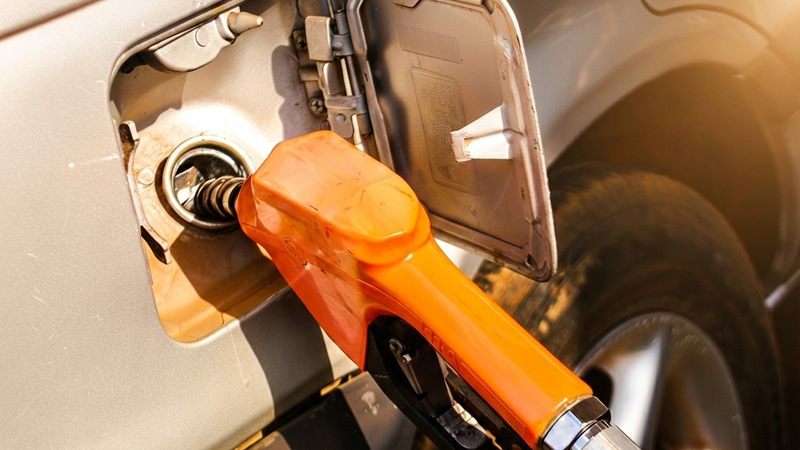
The current debate about whether Ghana should keep or remove the petroleum price floor is focused on the wrong question. This debate frames the issue as a simple policy choice, more regulation or less, when the real problem is whether Ghana’s petroleum market has the institutional capacity to function reliably under any pricing system. Until that question is addressed, keeping or removing the price floor will not solve the deeper problems in the sector.
The circumstances that led to the introduction of the price floor reveal how fragile Ghana’s petroleum sectorremains. The National Petroleum Authority (NPA) introduced the price floor in 2024 amid growing concerns about the functioning of the petroleum market. The NPA pointed to persistent predatory pricing, mounting arrears, increased reliance on bank credit, and threats to supply stability. These were not merely market failures; they were symptoms of weak enforcement, financial indiscipline, and regulatory gaps that had allowed destabilising practices to take root.
The market’s structure compounded these governance challenges. With the top 20 oil marketing companies (OMCs) controlling 71.3 per cent of the market and about 200 smaller OMCs sharing the remainder, regulators faced a choice between allowing competitive dynamics that might eliminate smaller players and accelerate concentration, or intervening to maintain market diversity at the cost of constraining price competition. That the price floor gained acceptance across much of the industry, including from firms that could have benefited from unrestricted competition, reflects a shared recognition that market instability ultimately undermines everyone’s long-term interests. Industry acceptance, however, does not resolve the underlying weaknesses that necessitated the intervention.
The debate over the price floor has largely centred on its design and effects. This focus obscures a more fundamental point: the price floor is not inflexible but adaptive. Recent pricing decisions demonstrate this capacity. When global crude prices declined and the cedi stabilised, some OMCs announced price reductions within the regulatory framework. The system can accommodate favourable conditions while maintaining the stability that the floor was designed to provide. The question is not whether the price floor can adapt to changing conditions, but whether Ghana’s regulatory institutions can.
This is the governance problem that the current debate largely ignores. The challenges plaguing Ghana’s petroleum sector are not fundamentally about choosing between regulation and deregulation. Countries manage fuel pricing in different ways: some fully liberalise prices to market forces, others administer prices directly through government control, and still others use automatic pricing formulas or stabilisation funds to balance market responsiveness with price stability. All these approaches depend on the same foundations — credible enforcement, sound financial discipline, and coordination across government. Without these, no pricing system will work well.
The debate should therefore prioritise institutional capacity over policy preferences. This requires an honest assessment of the NPA’s enforcement capabilities, the market structures that best serve Ghana’s energy security, and the regulatory mechanisms needed to align petroleum pricing with foreign-exchange realities and social protection objectives. These questions lack the simplicity of “keep the floor” or “remove the floor.” Still, they address what the current debate does not: the governance foundations that determine whether any pricing framework can succeed.
Ultimately, strengthening petroleum market governance should not be an end in itself, but part of a broader clean energy transition that includes accelerating the electrification of cars to reduce long-term reliance on imported fuels, ease exposure to currency risks, and build a more resilient transportation sector over time.
For media and policy inquiries, please contact:
Dr. Eric Agyemang
(e.agyemang@ippgafrica.org)
This strategic statement forms part of IPPG’s independent analysis and policy perspectives of the International Perspective for Policy & Governance (IPPG). It is intended to inform constructive dialogue on Ghana’s petroleum and transportation sector in a rapidly evolving global energy transition. The views expressed do not represent any specific donor, government, or external partner. They are guided solely by IPPG’s commitment to evidence-based policy analysis in Ghana and across Africa.
 Previous Post
 Next Post